Starting point
Plans, photographs and a concise description of the original condition and project need.

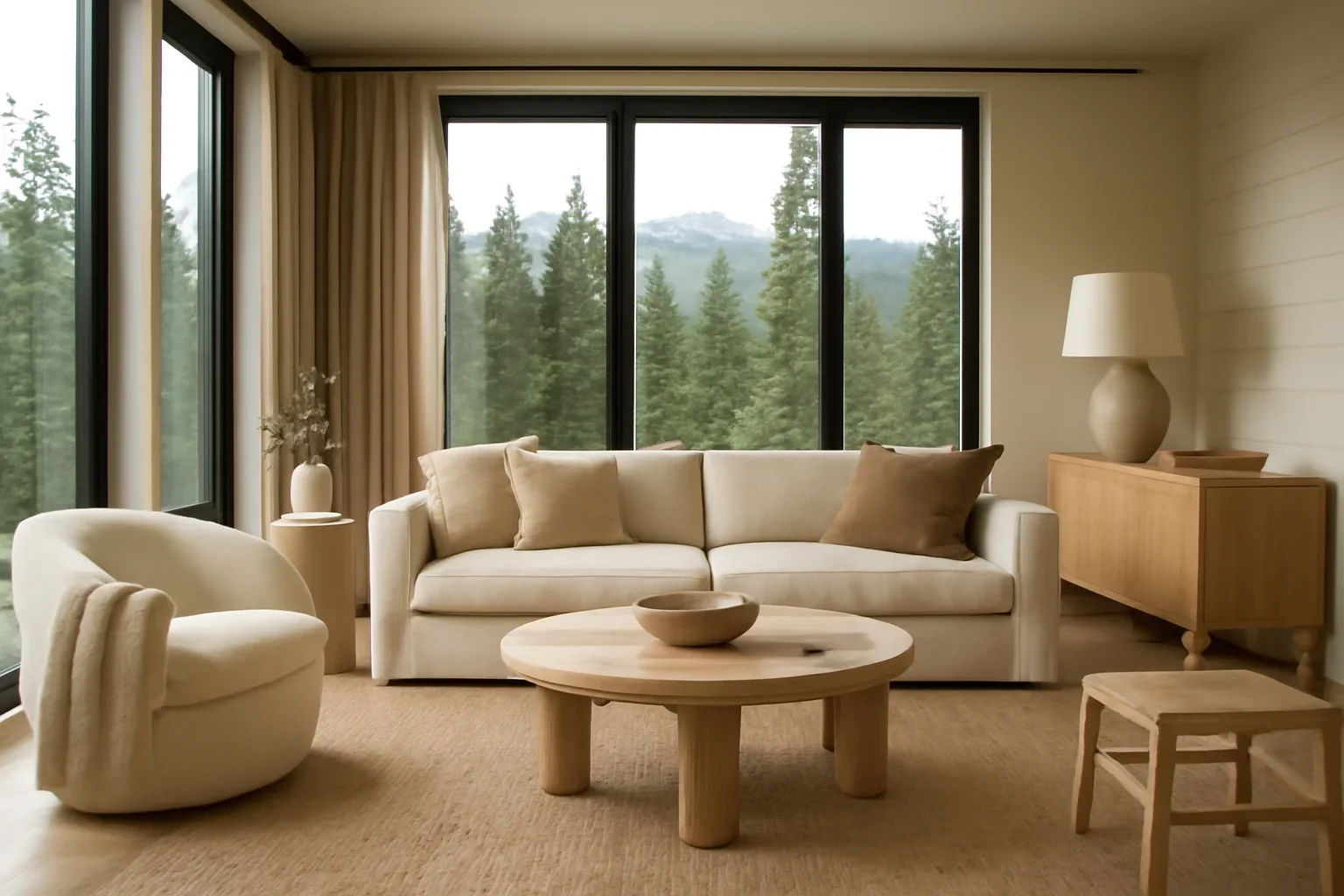
Project profile
A structured project profile for vacation-home interior design in whistler, focused on the brief, constraints, design decisions and coordination that should be supported by verified project evidence.
Explore all case studiesEvidence before claims
Vacation-home interior design in Whistler should be documented through approved photography, a confirmed scope, real constraints and an accurate account of the design response. No invented client quote, budget, timeline, award or performance claim belongs in the project story.
In the absence of approved project-specific facts, the page can explain the design questions this project type raises and the information a complete case study should make visible.
The project brief
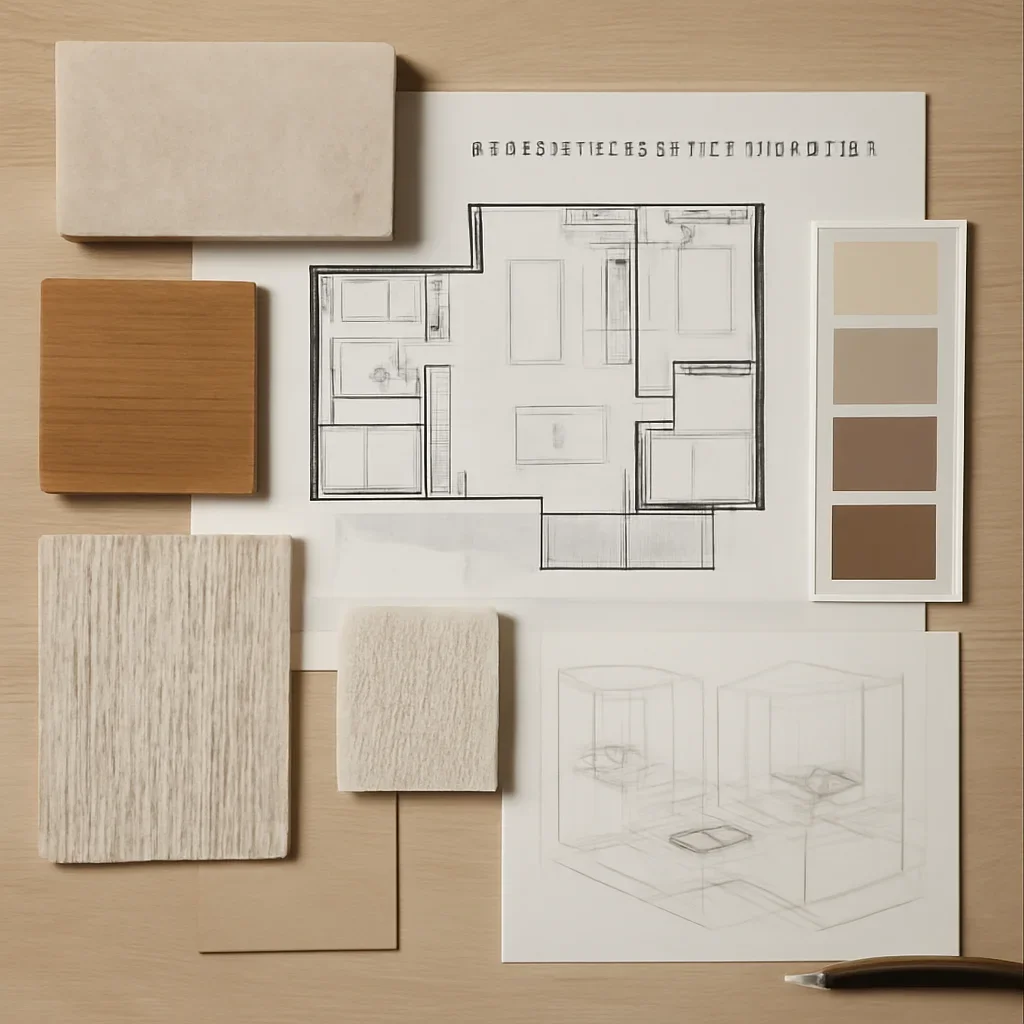
A complete project record should identify the property type and location, project stage, client priorities, spaces included, people involved and the designer's actual scope.
It should also explain the constraints that influenced the design: existing conditions, access, building requirements, budget, timing, procurement, operations or coordination with other professionals.
What the case study should show
Plans, photographs and a concise description of the original condition and project need.
The functional, experiential and visual goals agreed with the client.
The existing conditions, approvals, budget, timing and team interfaces that narrowed the options.
The layout, material, lighting, furnishing or detail decisions that addressed the brief.
How drawings, selections, reviews and project questions moved across the team.
Approved photographs and specific, supportable evidence of what changed and why it mattered.
A case study earns trust by showing the real decisions and constraints behind the finished image.
Questions this project type should answer
Show the before-and-after planning logic with approved drawings or diagrams.
Connect aesthetic direction to durability, maintenance, light, budget and context.
Identify the interfaces among the client, designer, builder, consultants, trades and suppliers.
Practical answers
Only facts, photographs, client comments and outcomes that have been confirmed and approved should be described as project evidence. General design guidance is not a substitute for verified project data.
A useful case study explains the starting conditions, client priorities, constraints, design response, project-team coordination and measurable or observable outcomes.
No. Every property, budget, team, schedule and client brief is different. A case study shows a process and set of decisions, not a guaranteed result.
Start with a clear conversation
Share the property type, location, current stage and the constraints you are working through. Related case-study principles can inform the conversation without promising the same result.
Share your project details