Clear specifications and approved selection records
Defined at the level required by the project and the partner team.


Project team collaboration
Interior design collaboration for coordination with trades, fabricators and suppliers, with an emphasis on coordinated information, useful handoffs and clear responsibility boundaries.
Discuss your projectBuilt around the wider team
Interior design does not happen in isolation. Layouts affect services, finishes affect detailing, procurement affects sequencing and client decisions affect nearly every discipline.
A productive partnership starts by agreeing how information will move through the project. That includes who receives questions, when reviews occur, which documents are current and how accepted changes are recorded.
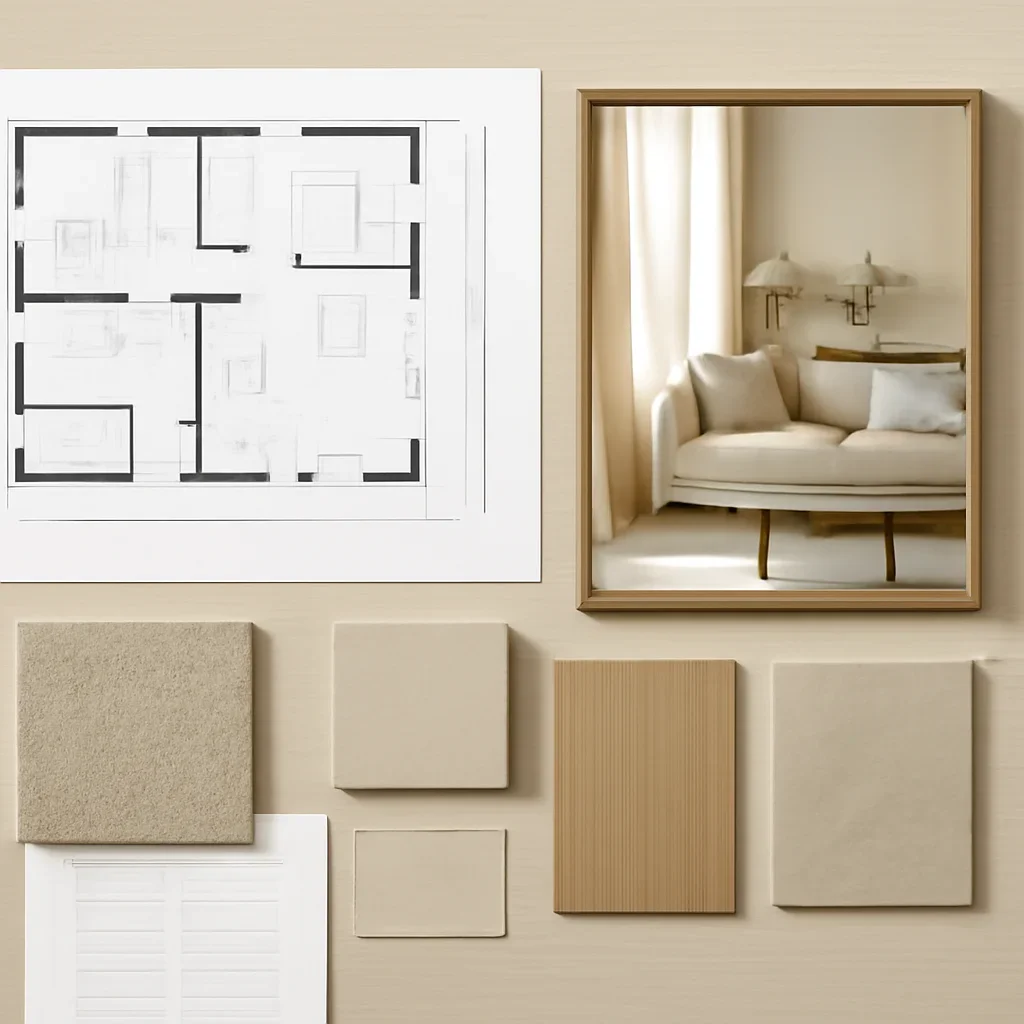
Coordination model
The designer's role can range from focused interior input to a broader package of planning, selections, drawings and client coordination. The value comes from matching the information to the team's actual decisions rather than producing documents without a clear user.
Meeting cadence, review windows and file-sharing standards should be agreed at the start, then adjusted when the project changes.
What collaboration can support
Defined at the level required by the project and the partner team.
Defined at the level required by the project and the partner team.
Defined at the level required by the project and the partner team.
Defined at the level required by the project and the partner team.
Defined at the level required by the project and the partner team.
Defined at the level required by the project and the partner team.
Working rhythm
Confirm scope, team roles, document standards and key dates.
Share current plans, constraints, selections and open questions.
Resolve interfaces before they reach pricing, fabrication or site.
Issue accepted decisions and changes through the agreed channel.
The interior design scope should complement, not duplicate or replace, the responsibilities of architects, engineers, contractors, consultants or authorities having jurisdiction.
Coordination is not more communication. It is the right information reaching the right person at the right time.
Practical answers
As early as practical, especially when interior layouts, millwork, lighting, finish decisions or client approvals may affect other workstreams.
A written scope, shared contact structure, drawing list and decision schedule help distinguish who leads, reviews and approves each item.
Yes. The coordination method should fit the project team, provided responsibilities, file exchange, review timing and change control remain explicit.

Start with a clear conversation
Share the project type, team structure, current stage, required deliverables and anticipated milestones. We will review where interior design support can fit without creating overlap.
Share your project details