Option one
Interior Designer
An interior designer focuses on the planning, experience, materials, details and function of interior environments within the agreed scope.


Interior design decision guide
A practical comparison of interior designer and architect, focused on scope, deliverables, responsibilities and project fit.
Discuss your projectChoose by scope, not label
Titles and service names can sound similar while covering different responsibilities. A useful comparison looks beyond the label and asks who is making which decisions, what information must be produced and how the work will be coordinated.
Before choosing, define the outcome you need. That may be a clear direction, a set of drawings, ongoing project support, specialist advice or collaboration across several professionals.
Option one
An interior designer focuses on the planning, experience, materials, details and function of interior environments within the agreed scope.
Option two
An architect commonly addresses the building as a whole, including form, structure, envelope and code-related responsibilities within their professional scope.
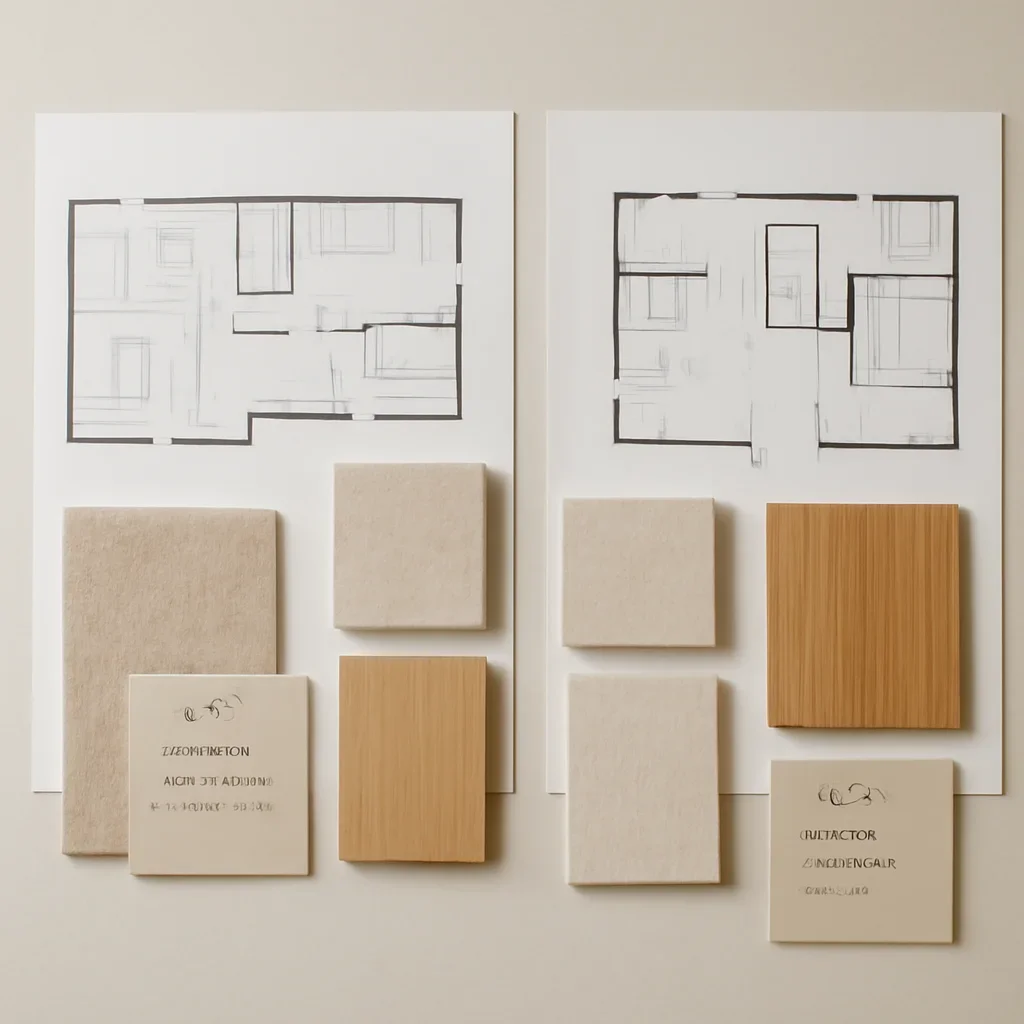
Decision criteria
| Question | Interior Designer | Architect |
|---|---|---|
| Primary need | Choose when its defined scope solves the central project problem. | Choose when the alternative scope better matches the required outcome. |
| Deliverables | Confirm the exact plans, selections, advice or coordination included. | Confirm which outputs are included and where another professional may be needed. |
| Project stage | Best value often comes when the role begins before related decisions are fixed. | Timing may be narrower or broader depending on the service model. |
| Implementation | Clarify who follows through, communicates changes and answers site questions. | Clarify whether the engagement ends with advice or continues through delivery. |
The clearest choice is the one that closes responsibility gaps before the project is under pressure.
Questions to ask before signing
Ask for a written scope, deliverable list, review stages and assumptions.
Confirm communication responsibilities among the client, designer, consultants and contractor.
Understand how added work, revisions, delays and new information affect fees and timing.
Practical answers
No. The better choice depends on the problem to solve, the project stage, the people already involved and the level of documentation or coordination required.
Often, yes. Some projects benefit from complementary roles or a focused consultation before moving into a broader scope. Responsibilities should be stated clearly to avoid gaps or duplication.
Bring plans or photos, the project location, target timing, known constraints, budget context and a list of the decisions that feel unresolved.

Start with a clear conversation
Share your project stage, plans and unresolved decisions. The first conversation can identify which scope is most appropriate and where other professionals may be required.
Share your project details